Day 002 · Ospyr Ventures articles
I built 27 features before speaking to a single user
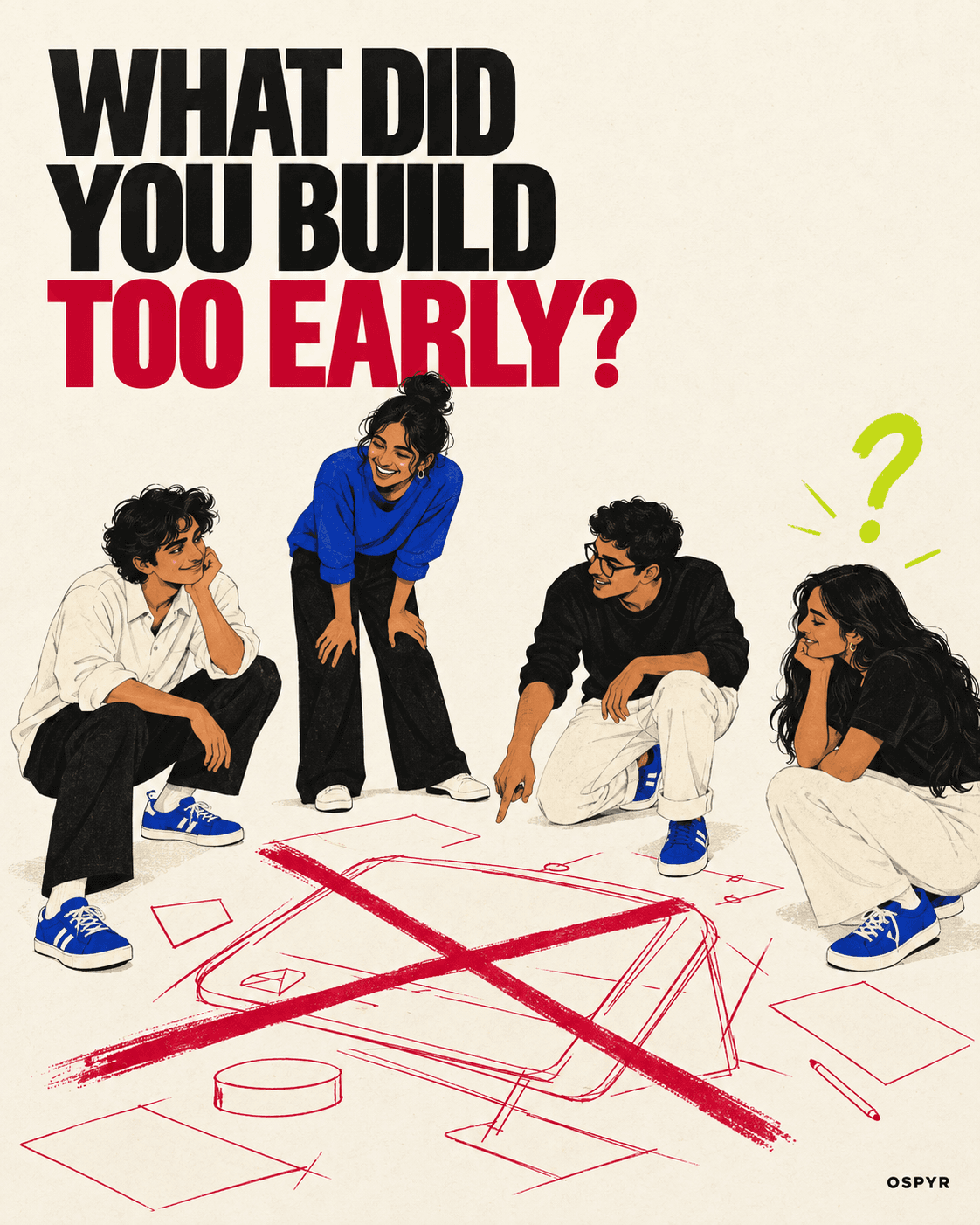
Building produces visible progress. A user conversation can invalidate the roadmap. That is exactly why founders delay it.
I built 27 features before speaking to a single user.
That sentence sounds ridiculous once it is written down. While it was happening, every day felt productive.
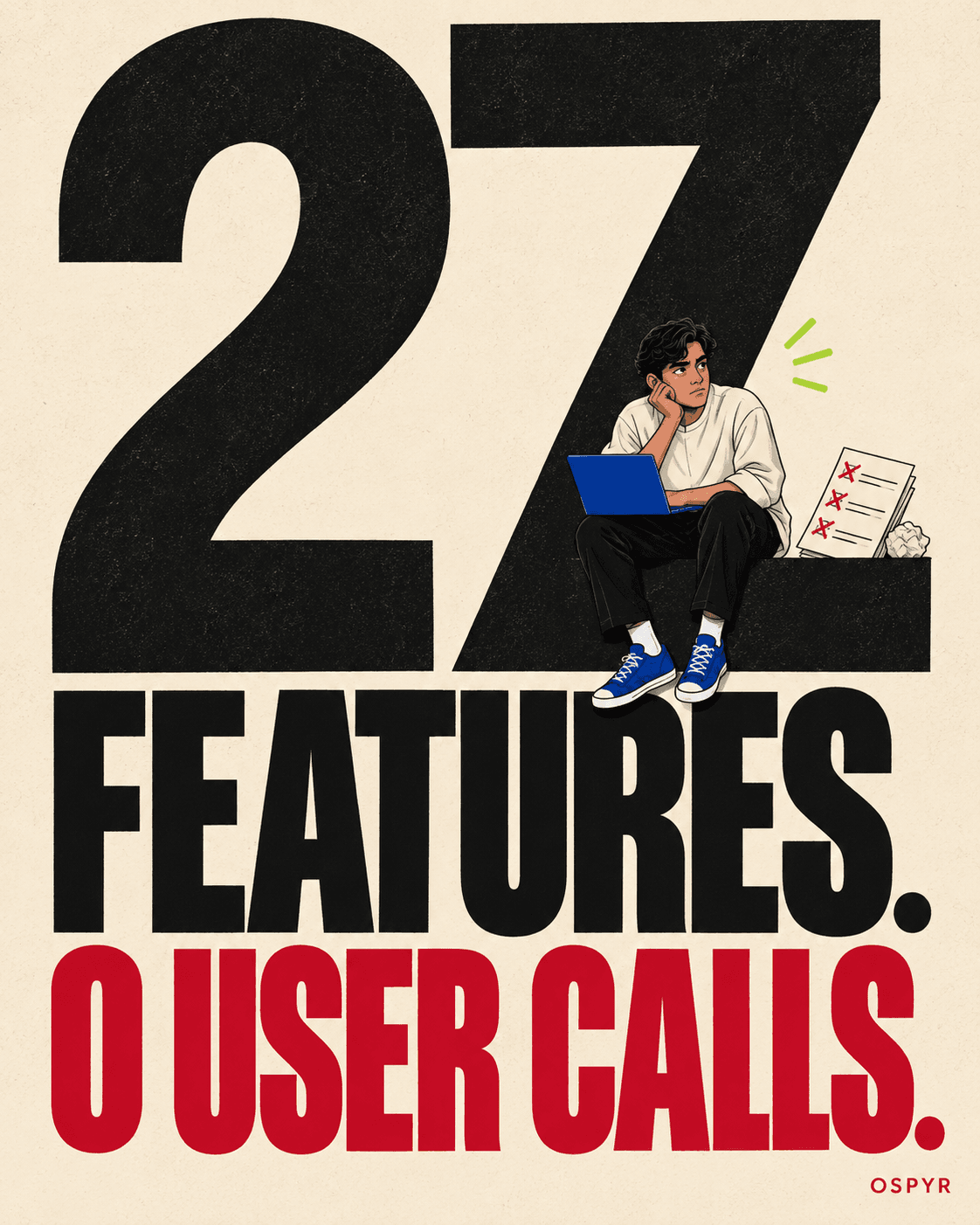
There was always something sensible to build next. The dashboard needed filters. Filters needed saved views. Saved views needed permissions. Then the settings page looked incomplete, so that became another evening. A student founder can spend weeks like this between classes, assignments and late-night coding sessions without ever feeling idle.
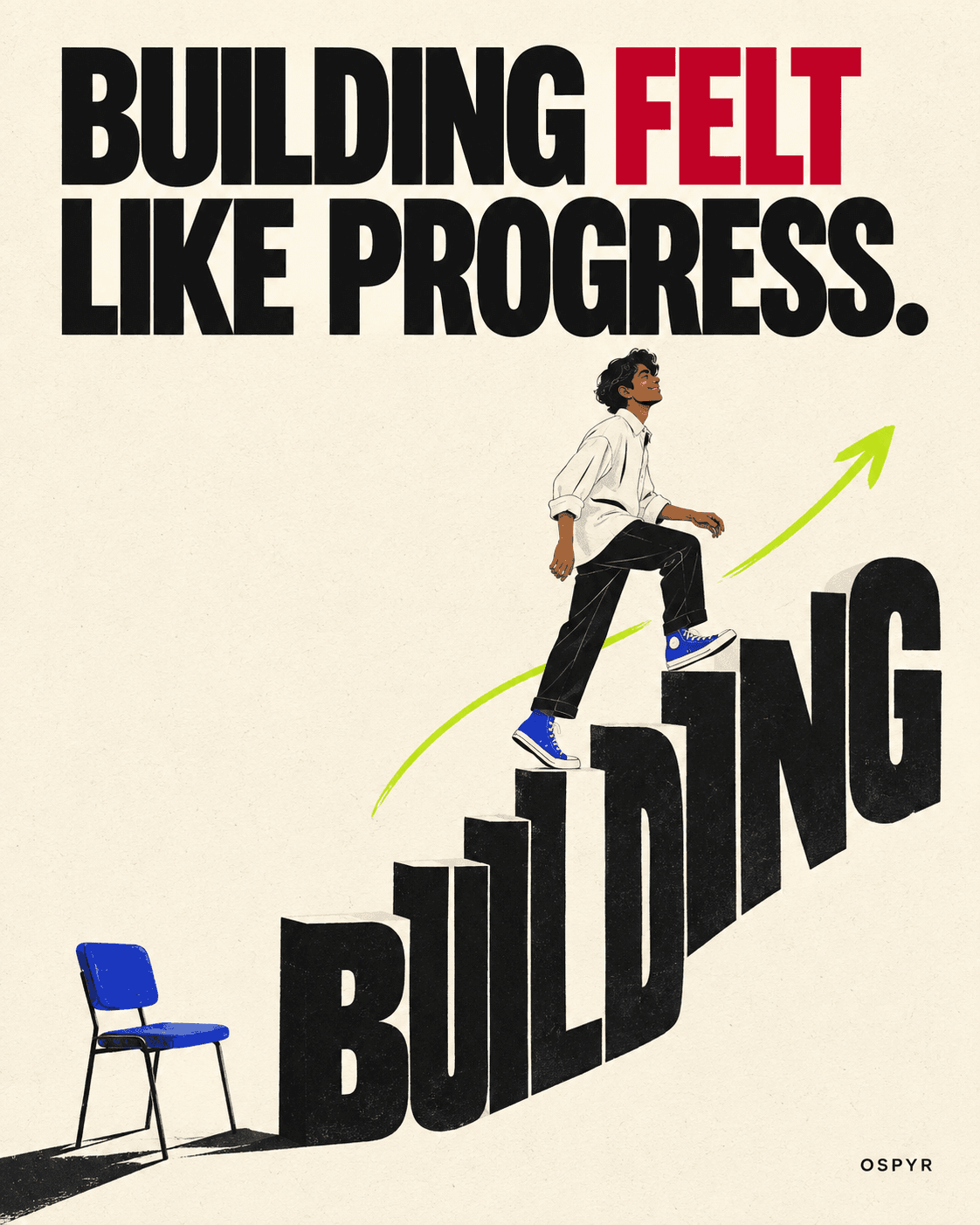
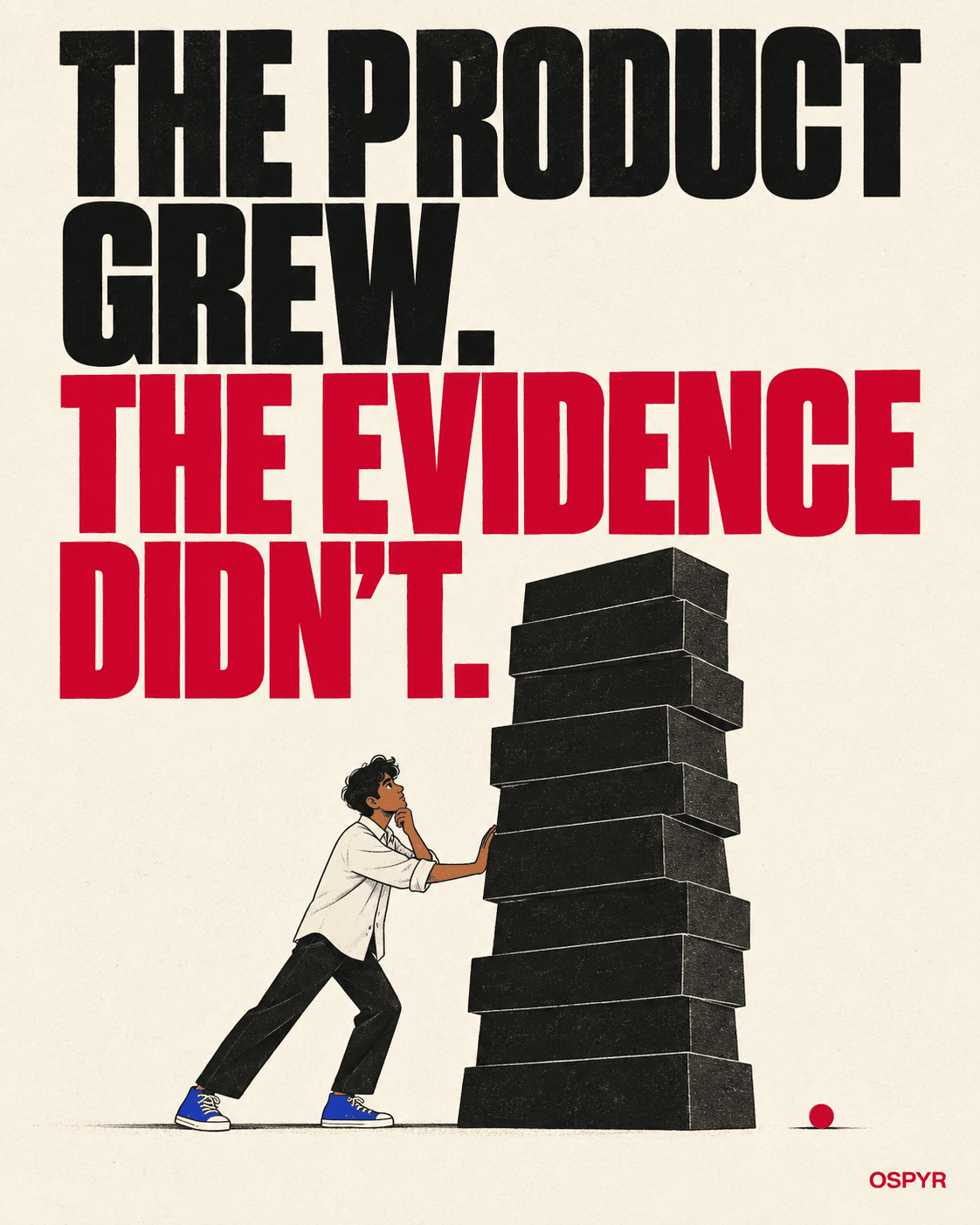
The product keeps changing. The risk does not.
Nobody has shown that the original problem matters enough to change behaviour, switch tools or pay.
This is why building can become a very comfortable hiding place. Code gives immediate feedback. It either works or it does not. A user conversation is messier. Someone can misunderstand the product, reject the premise or explain that the problem you chose is number seven on their list.
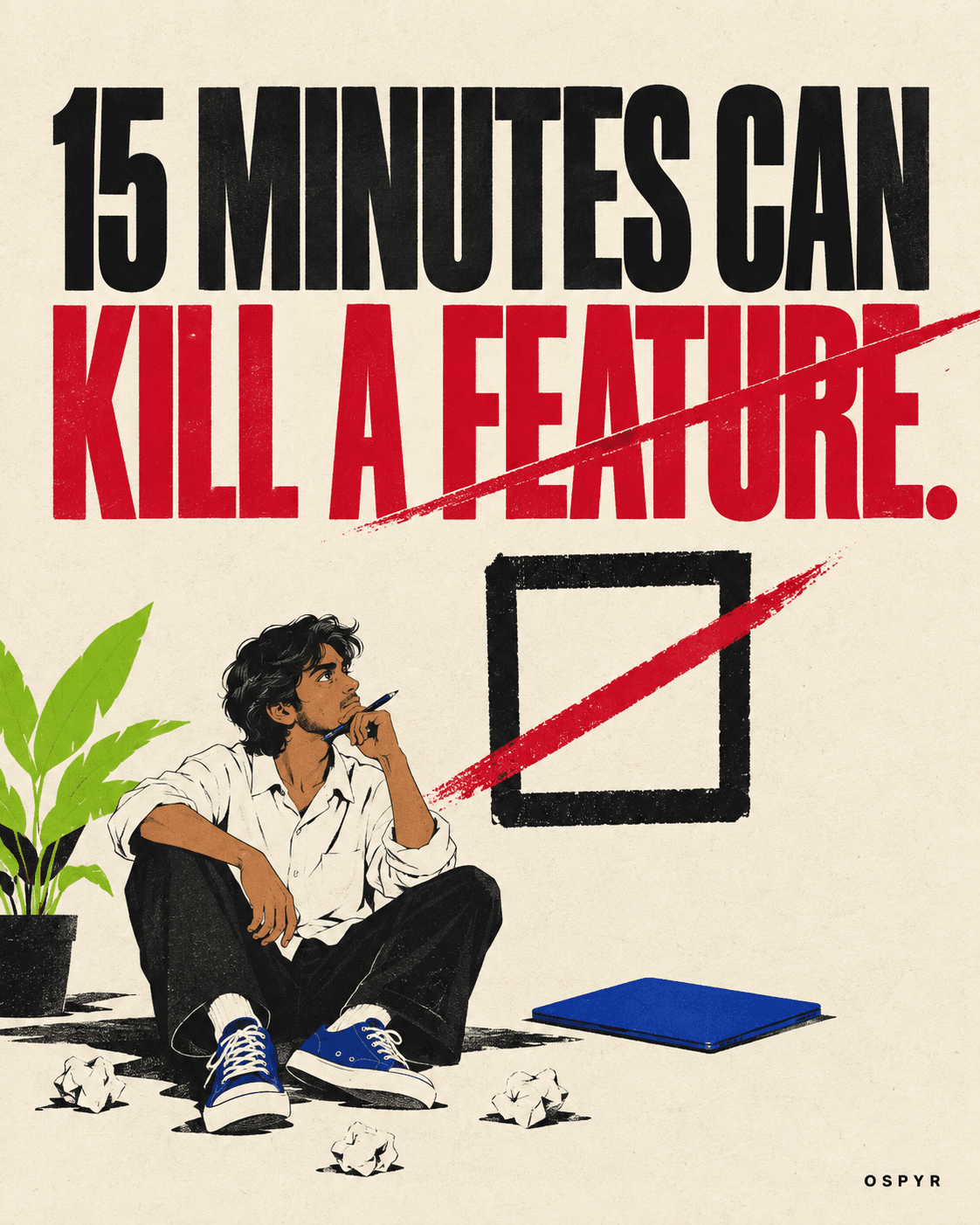
A new feature protects the idea for one more day. A real conversation can challenge the whole roadmap in fifteen minutes.
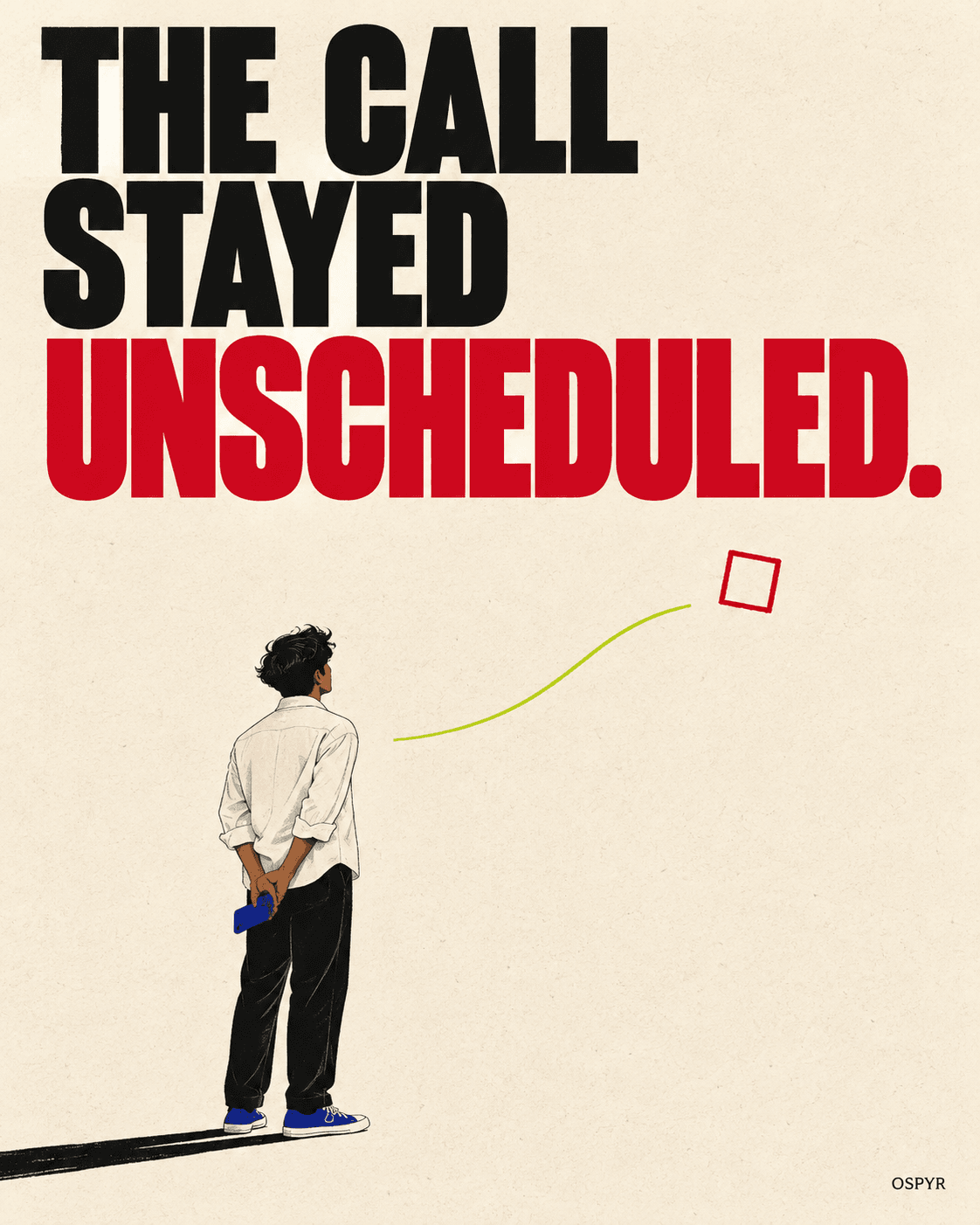
That tension is especially strong for technical and student founders. Building is often the skill that gave them the confidence to start. Talking to strangers, asking direct questions and hearing an awkward answer can feel like stepping outside the part of the company where they are competent.
The result is not laziness. It is effort pointed towards the safest source of certainty.
Y Combinator has repeated the same basic advice for years: write code and talk to users. Its student-founder guidance makes the distinction clearly. A side project can stay focused on what interests the builder. A startup has to become something other people want.
YC also recommends looking for a 90/10 solution. Solve most of the real problem with a small amount of work, put it in front of people and learn. That is very different from completing a long feature list before the first uncomfortable conversation.
The feature count also hides a second problem. Features are easy to count, so they become a comforting measure of progress. Conversations are harder to score. One call may change nothing. Another may expose that the customer describes the problem with completely different words. A third may show that the buyer and the daily user are different people.
Those discoveries rarely look impressive in a weekly update, but they can save months of work. A deleted roadmap item can be more valuable than a shipped screen when the deletion came from real evidence.
The practical rule is to ask what changed after each conversation. Did the target user become narrower? Did the painful moment become clearer? Did someone agree to test the rough version with real data? If the answer is no, another call may be more useful than another feature.
Stripe Atlas makes a similar point for SaaS businesses. While looking for product-market fit, founders should speak with more customers than feels natural. Stripe also warns against treating every feature request as an instruction. The useful information often sits in the common patterns between strong customers, including who converts, who stays and who gets enough value to pay.
This changes what a user call is for.
It is not a meeting where the founder asks, "Would you use this feature?" People are generous with hypothetical encouragement. They can say yes without changing anything.
A stronger conversation stays close to the person's real behaviour:
- Tell me about the last time this problem happened.
- What did you do next?
- What did it cost you in time, money or missed work?
- What have you already tried?
- Which part was painful enough to solve today?
These questions can kill a feature. That is useful.
A feature that dies during a fifteen-minute conversation is cheaper than one that dies after three weeks of design, code, testing and launch posts.
There is another trap here. Talking to users is necessary, but conversation alone is not proof. Strategyzer separates what people say from what they do. A compliment carries little commitment. Joining a pilot, connecting real data, changing a workflow, returning next week or paying creates stronger evidence.
So the answer is not to stop building and spend the month collecting opinions. The better loop is small and uncomfortable:
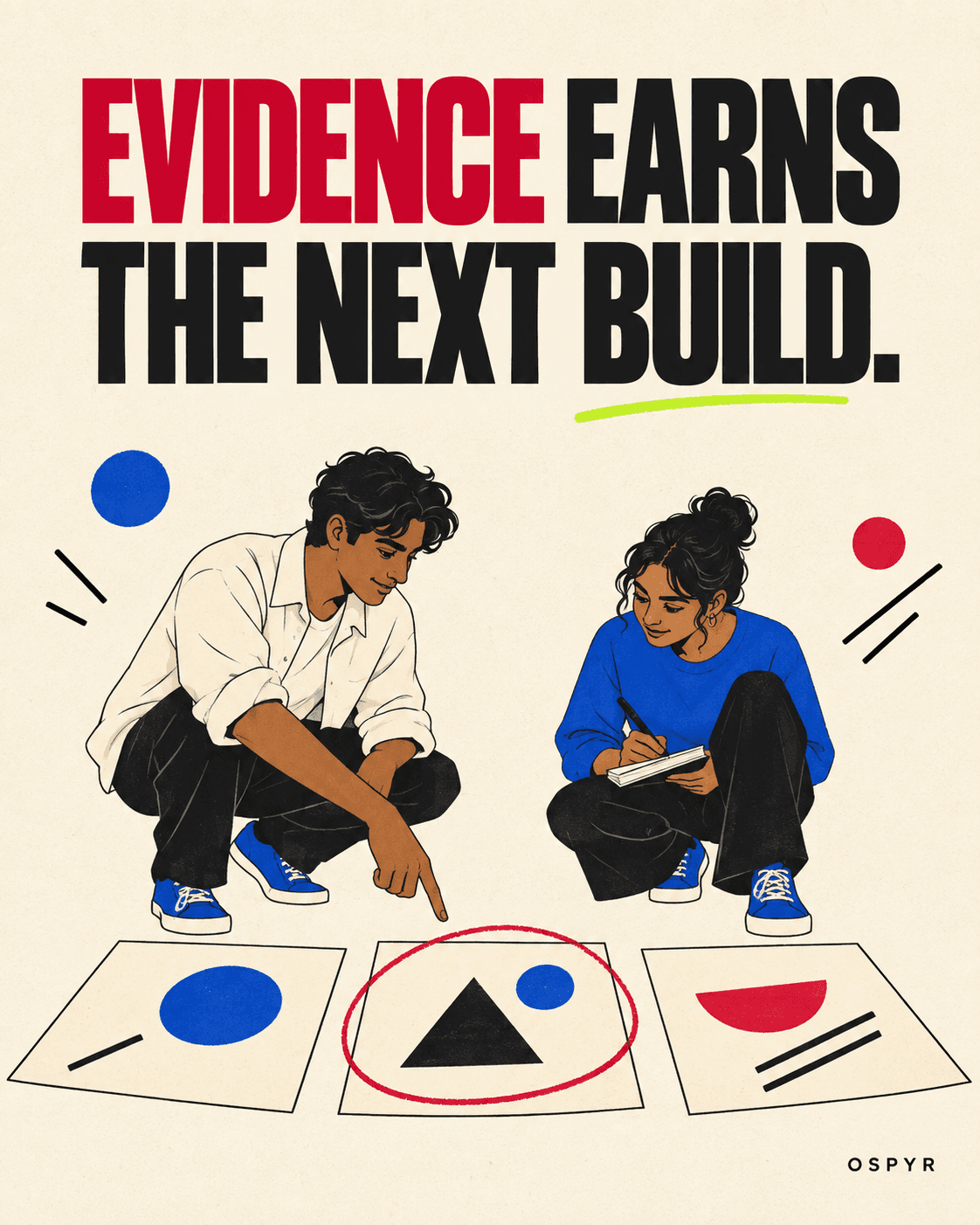
Build the smallest useful version. Put it in front of a real person. Watch what happens. Ask about the behaviour you saw. Then decide what earns the next week of work.
This is one of the ideas underneath how we are thinking about Ospyr Ventures.
Most business systems are very good at helping people produce more tasks, more pages and more output. We are interested in a different question: can the system keep the evidence beside the decision, so a founder can see why something is being built before another agent or teammate starts building it?
That is still a design hypothesis. We will show the answer through what we build, one piece at a time.
For now, the honest test is simple.
Look at the feature you are working on today. Write down the last real user behaviour that earned it a place on the roadmap.
If nothing comes to mind, the next task may be a conversation.